August Cafecito Recap with Pedro Naranjo
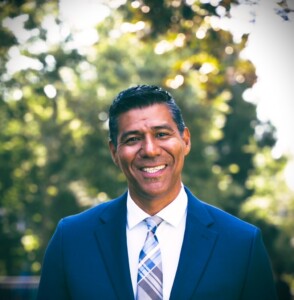
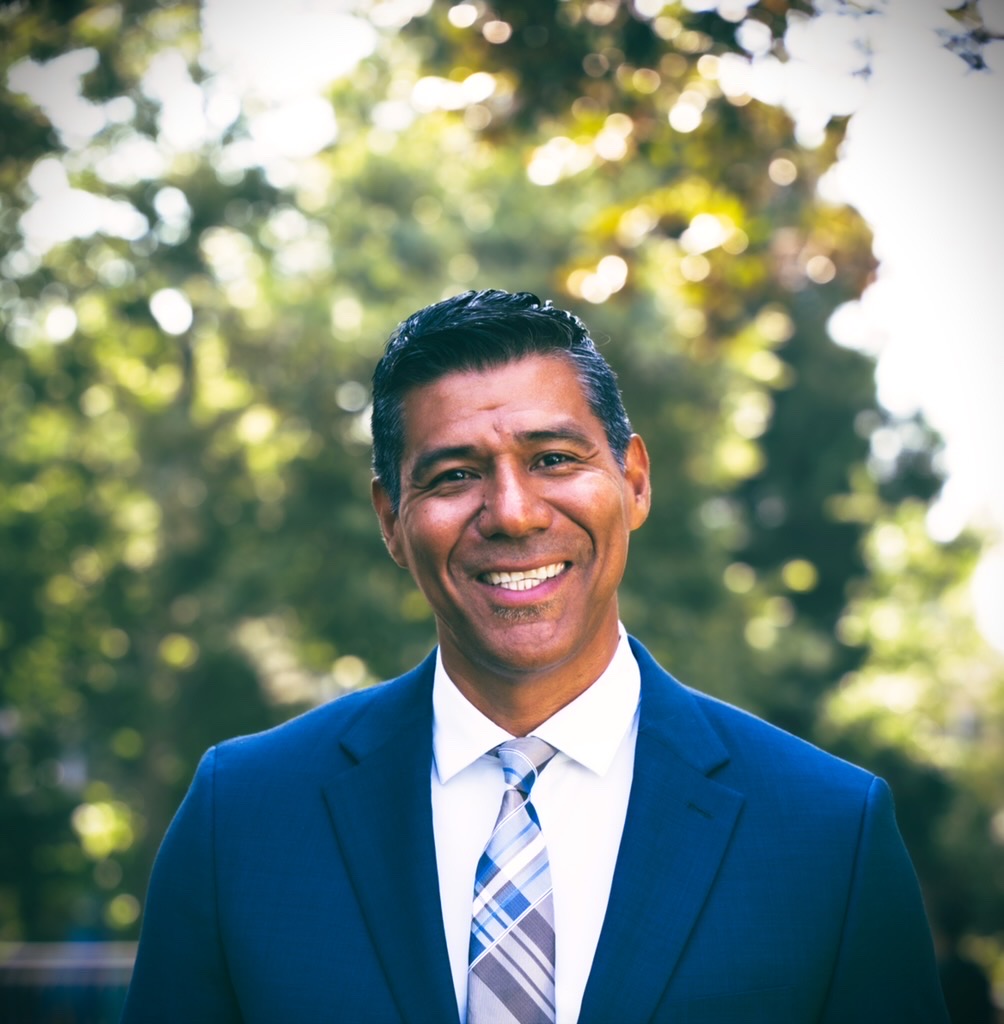
Rooted in Story: Member Pedro Naranjo’s First‑Generation Journey
A first‑generation Mexican American, Pedro shared how growing up in the Central Valley — in a 99% Latino migrant camp — shaped everything from his work ethic to his grounding practices today. As the son of a farmworker, his first job was picking peaches. He described the culture shock of moving from a tight‑knit migrant community to a high school where many classmates’ families owned the farms his family worked on.
With honesty and humor, he reflected on growing up without access to healthcare and relying on home remedies, a childhood experience that informs how he views public health and universal care today. “So many projects come back to public health,” he noted, emphasizing that understanding community needs begins with understanding lived experience.
Throughout his professional journey, one grounding reminder carries him through tough moments:
“Pedro, not only did you ask for this, but you have been working your whole life for it.”
Building a Career in Service & Equity
Pedro shared how education was always his “out” — the pathway he recognized early on as his ticket to new opportunities and to stepping into roles where he could influence systems from within. His professional journey has consistently been rooted in service, learning, and intentionally positioning himself in spaces where meaningful decisions are made — what he describes as entering “the decision room.”
Pedro was also the founding Executive Director of the Ashland REACH Project, a $23 million investment that created a 31,500‑square‑foot community hub in Alameda County, built entirely through a community‑centered process. The experience left a lasting imprint: learning directly from the community served, navigating expectations and hope, and witnessing firsthand how community voice strengthens and shapes outcomes.
He also spoke about the importance of stepping back during overwhelming moments — recognizing that sustainable community work requires pacing, balance, and humility, especially when carrying the weight of community hopes and long-term change.
Leading Through an Equity and Social‑Ecological Lens
Pedro described the intentionality behind his approach to leadership: always viewing work through a multi‑level lens — individual, societal, organizational, and policy. The social‑ecological model shapes how he considers impact and how decisions ripple across communities. Many participants reflected on how that framework shows up in their own roles, whether through community programs, partnership development, or policy implementation.
Equity work is layered, Pedro reminded us — and every layer matters.